
How to Choose the Right Restaurant for Corporate Events in Boca Raton
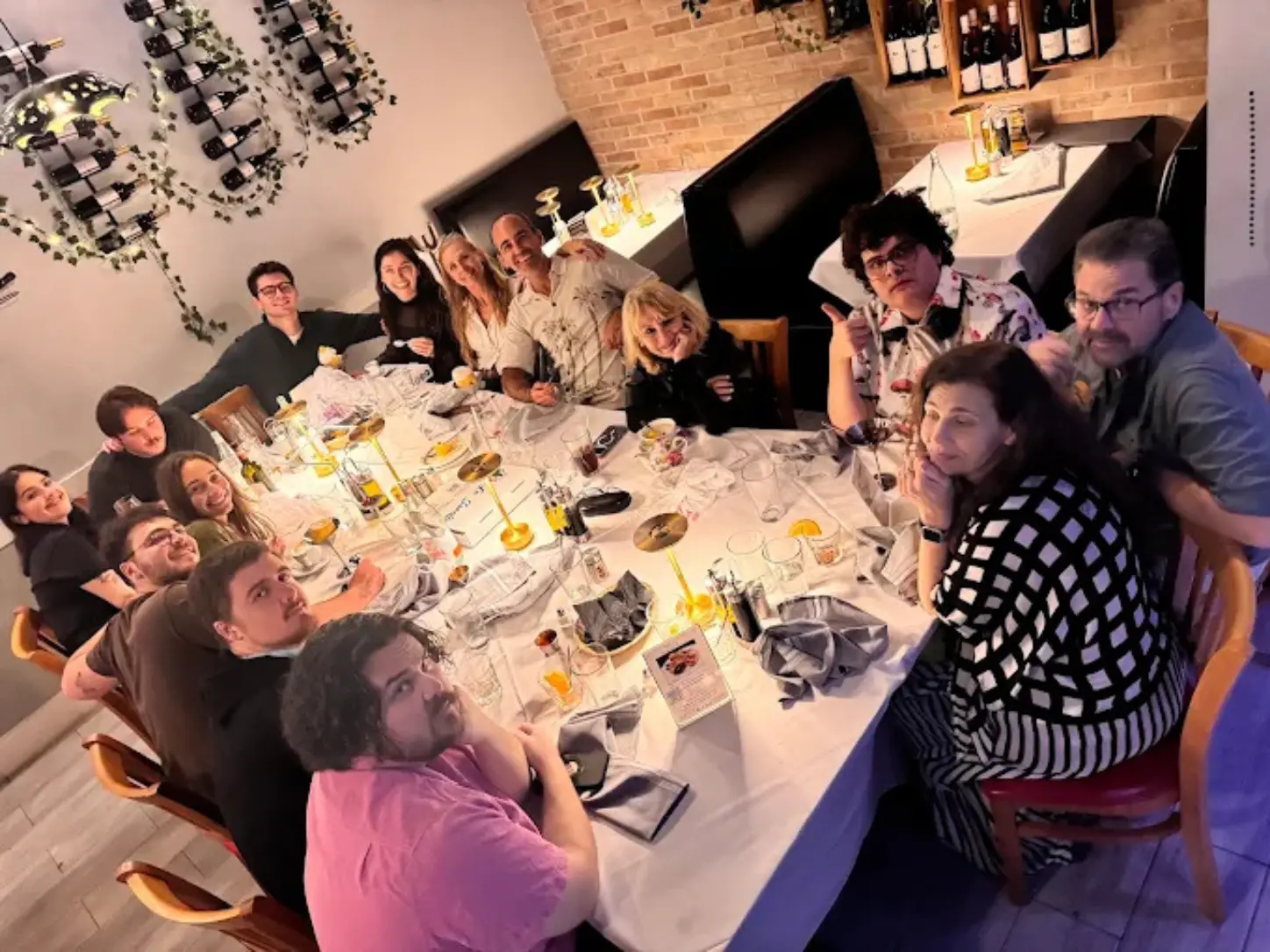
Picking a venue for a client dinner, a product launch, or a year-end team celebration is never just about the food. It's about the first impression your company makes the moment guests walk through the door. If you've been searching for an Italian restaurant in Boca Raton that can handle everything from a 10-person boardroom lunch to a 100-guest holiday party, you already know the options can feel overwhelming. This guide breaks down exactly what to look for, so your next event runs smoothly from the first handshake to the last espresso.
Why the Venue Matters More Than You Think
A corporate event is a reflection of your brand. The wrong setting — cramped tables, slow service, a menu that doesn't fit dietary needs — can quietly undercut months of relationship-building with a client or team. The right setting does the opposite: it puts everyone at ease, keeps conversation flowing, and lets your business message land without distraction.
Boca Raton has no shortage of restaurants that advertise "private events." But advertising a service and delivering it well are two different things. Here's how to tell the difference before you sign a contract.
Start With the Purpose of Your Event
Not every corporate gathering needs the same kind of space. Before you call a single venue, get clear on:
- Group size — a 12-person leadership dinner needs a private room, not a rented-out patio built for 150.
- Format — is this a seated dinner, a cocktail-style mixer, or a working lunch with a presentation?
- Tone — client-facing events usually call for a more polished, quiet setting than an internal team celebration.
- Budget structure — do you need a fixed per-person menu, an open bar, or a simple prix fixe?
Once you know these answers, you can quickly filter out venues that don't fit, instead of touring five restaurants that were never a match to begin with.
Key Factors to Evaluate Before Booking
1. Private or Semi-Private Space Options
Ask whether the restaurant has a dedicated room, a buyout option, or only shared dining areas. A true private dining room protects confidential conversations and gives your event its own identity, rather than blending into the regular dinner crowd. Flexible venues typically offer a few tiers: an intimate room for smaller meetings, a larger space for buyouts, and sometimes an outdoor or patio option for cocktail-style networking.
2. Menu Flexibility and Dietary Accommodations
Corporate guest lists are diverse. A strong events team will offer:
- Customizable set menus at different price points
- Vegetarian, vegan, and gluten-free options built in, not added as an afterthought
- The ability to pre-select courses so service stays on schedule
If a restaurant can only offer its standard walk-in menu with no adjustments, that's a sign their events program isn't mature yet.
3. Technology and Presentation Support
If your event includes a toast, a slideshow, or a product reveal, ask about audio-visual capabilities upfront — screens, projectors, and a sound system that actually works in the room you'll be using. Nothing derails a professional event faster than fumbling with a borrowed HDMI cable.
4. Service Timing and Staffing
A good events coordinator will walk you through pacing: when appetizers go out, how courses are timed around a speech or presentation, and how many servers are assigned to your room. This detail separates a restaurant that "does events" from one that's simply seating a large party.
5. Location and Accessibility
Consider parking, valet availability, and how easy the venue is to reach for out-of-town clients. A restaurant near hotels or business districts saves your guests time and removes friction before the event even starts.
6. Reviews From Other Corporate Clients
Look past star ratings and read what past business guests specifically say about their event experience — not just the food, but the coordination, the room, and how the staff handled a group setting.
Why an Italian Restaurant Works So Well for Business Events
Italian cuisine has a natural advantage for corporate gatherings: it's built around shared plates, warm hospitality, and a pace that encourages conversation rather than rushing people through a meal. A well-run Italian dining room strikes a balance that's hard to replicate — refined enough for a client dinner, relaxed enough that people actually loosen up and talk business.
This is where Le Sorelle Restaurant in Boca Raton has built a reputation among local companies. With adaptable private spaces, a menu built around authentic Italian tradition, and a team experienced in handling everything from intimate dinners to large-scale corporate functions, it checks the boxes that matter most: flexibility, consistency, and a setting guests remember for the right reasons.
Questions to Ask During a Venue Walkthrough
Before you commit, walk the space in person and ask:
- What is the maximum seated and cocktail-style capacity for this room?
- Can we do a menu tasting before the event?
- What's included in the room fee, and what costs extra (AV equipment, floral, linens)?
- Is there a dedicated event coordinator assigned to our booking?
- What's the cancellation and rescheduling policy?
- How far in advance do you need final headcounts and dietary restrictions?
A venue that answers these clearly and confidently is far more likely to deliver a smooth event than one that hedges or defers every question to "we'll figure it out closer to the date."
Red Flags to Watch For
- Vague answers about private space availabilit
- No dedicated events staff or single point of contact
- Menus that can't be adjusted for dietary needs
- No sample menus, floor plans, or photos of past events available
- Pressure to book immediately without a walkthrough or tasting
Planning Timeline: How Far in Advance to Book
- Large events (50+ guests): 6–8 weeks ahead
- Mid-size dinners (15–50 guests): 3–4 weeks ahead
- Small meetings (under 15 guests): 1–2 weeks ahead, though popular venues fill weekday evenings fast
Booking earlier also gives you room to negotiate menu customization and secure your preferred date without rushing the final details.
Making the Final Decision
Once you've narrowed your list, compare venues side by side using the same criteria: space, menu flexibility, service quality, location, and past client feedback. Resist the temptation to pick based on price alone — a slightly higher per-person cost is worth it if it means a coordinator who anticipates problems before they happen, and a room that makes your guests feel genuinely hosted.
Ready to plan your next business dinner, launch party, or holiday gathering? Reach out to a venue with a proven events team, request a walkthrough, and get a custom menu proposal before you commit to a date.
Reserve Your Table Today
Leave a Reply
FAQs
Most established venues offer flexible spaces ranging from intimate rooms for 10–15 guests to full buyouts accommodating 100 or more, depending on the layout and whether it's seated or cocktail-style.
For larger events, aim for 6–8 weeks of lead time. Smaller gatherings can often be arranged within 1–2 weeks, though weekday evenings and popular dates book up quickly.
Yes, most venues with a mature events program offer customizable menus that include vegetarian, vegan, and gluten-free options, especially when requested during the initial booking conversation.
This varies by venue, but commonly includes the private space, a set or customizable menu, dedicated waitstaff, and basic AV setup. Extras like floral arrangements, specialty linens, or upgraded AV equipment may cost additional fees.
A set or pre-selected menu is generally recommended for corporate events. It keeps service timing predictable, simplifies dietary accommodations, and helps control per-person costs.