
Why Italian Catering Is a Great Choice for Private Events
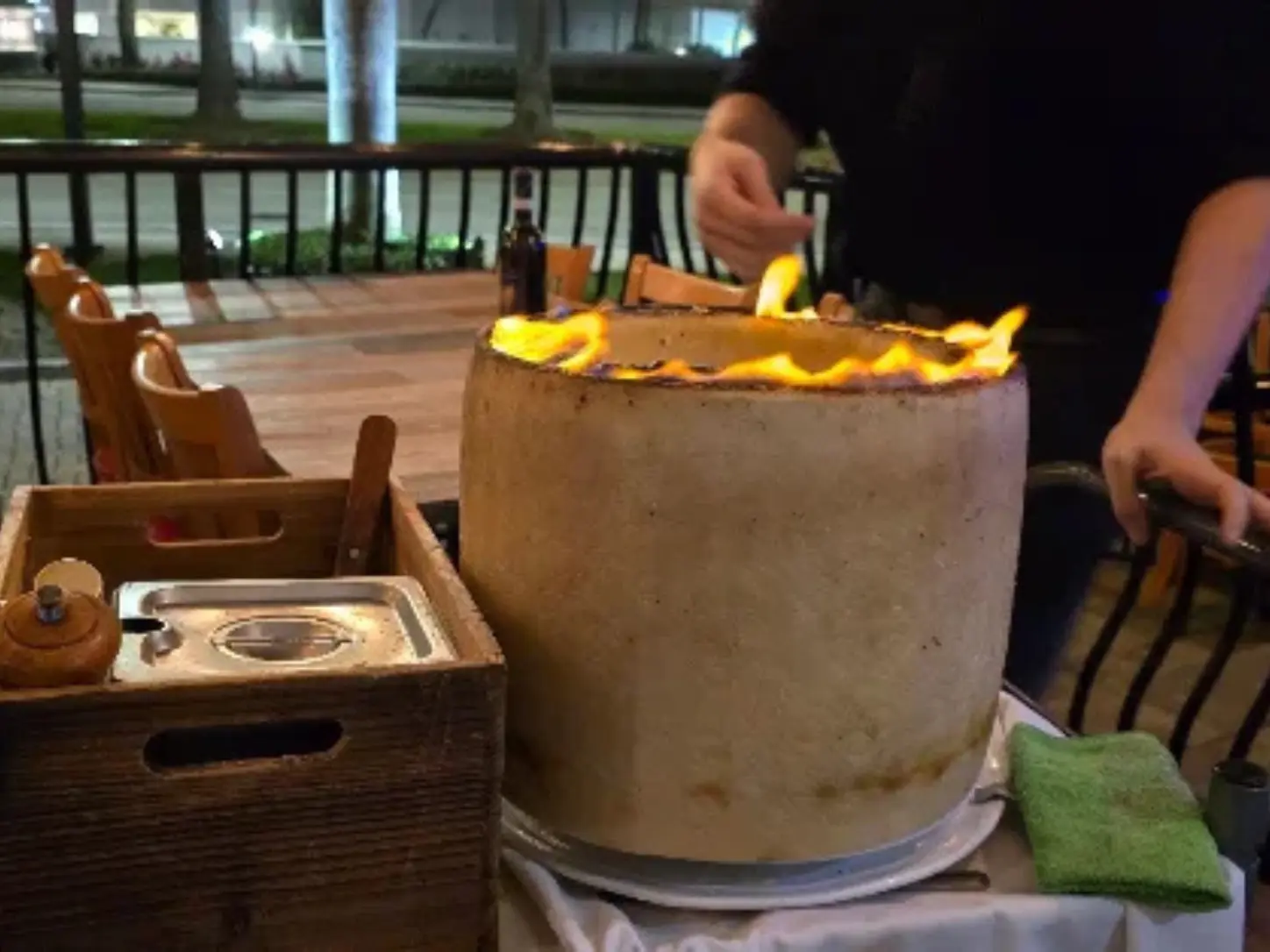
Planning a private event and stuck on the menu? Here's a simple truth: no cuisine brings people to the table quite like Italian food does. If you've ever eaten at an Italian restaurant in Boca Raton like Le Sorelle Restaurant, you already know the feeling. Warm bread. Fresh pasta. Wine glasses clinking. Conversations that stretch past dessert. That same magic can happen at your next private event — and that's exactly why so many hosts are choosing Italian catering over anything else.
This guide breaks down why Italian catering works so well for private events, what to expect, and how to plan a menu your guests will still be talking about weeks later.
The Real Reason Italian Food Wins at Private Events
Every host wants the same thing: a party people remember for the right reasons. Italian catering delivers that almost every time, and it's not by accident. Here's why it works so consistently well.
It's universally loved. Very few people say no to fresh pasta, wood-fired pizza, or a slow-braised ragu. Italian food crosses age groups, backgrounds, and taste preferences in a way that niche cuisines simply can't. A picky teenager and a food-loving grandparent can sit at the same table and both walk away happy.
It looks as good as it tastes. A caprese platter with ripe tomatoes and fresh basil. A pasta station with steam rising off the pan. A dessert table lined with cannoli and tiramisu. Italian food is naturally photogenic, which matters more than ever when guests are snapping photos for social media.
It scales beautifully. Italian catering works just as well for an intimate dinner of 10 as it does for a 200-guest wedding. The format flexes — plated dinners, family-style platters, buffet stations, or passed appetizers — so it fits almost any event size or budget.
It offers real dietary flexibility. Good Italian menus already include vegetarian dishes, seafood, gluten-friendly pasta, and lighter salads alongside the classic meat dishes. Hosts don't have to build a separate menu for guests with different needs.
It creates a shared experience. Italian meals are built around sharing — passing dishes, pouring wine, lingering at the table. That structure naturally pulls guests into conversation instead of letting them scatter into corners with a plate.
Corporate Events: Food That Reflects Well on Your Brand
The food at a corporate event says something about the company hosting it. A tray of cold sandwiches says "we did the bare minimum." A spread of fresh antipasto, hand-rolled pasta, and a dessert table says the opposite.
If you're planning corporate catering in Boca Raton, think about what the meal needs to accomplish:
- Impress clients without feeling flashy or over-the-top
- Keep a mixed group of dietary needs satisfied without extra planning
- Give employees a reason to stay, mingle, and enjoy the event instead of rushing out
- Match the tone of a business district that expects a certain level of polish
A composed antipasto station, individual pasta dishes, and a small dessert spread does all of this without much effort. It reads as intentional, not generic, and guests notice the difference immediately.
Milestone Celebrations Deserve More Than a Buffet Line
A 50th birthday. A 25th wedding anniversary. A retirement send-off. These moments only happen once, and they deserve food that matches the occasion.
Italian cuisine has centered celebrations for centuries, and there's a reason for that. The food is generous. It's meant to be shared. It brings warmth to a room without needing anything else to set the mood. A private dining experience with authentic dishes, good wine, and attentive service turns a standard party into something people genuinely enjoy — not just attend.
Family Gatherings and Reunions
Family events come with their own challenge: different generations, different appetites, different tastes, all under one roof. Italian catering solves this naturally. Grandparents want something familiar. Kids want pizza and pasta. Adults want something a little more elevated. A well-planned Italian spread covers all three without anyone feeling like an afterthought.
Family-style serving also fits the mood of these events perfectly. Passing dishes around the table mirrors how many families already eat at home, which makes the whole event feel less like "catering" and more like a real family dinner, just bigger.
What to Look for in an Italian Caterer
Not every Italian caterer delivers the same experience. Before booking one for your private event, here's what actually matters:
- A real kitchen behind the menu — caterers tied to an actual restaurant tend to have more consistent quality than pop-up catering companies
- Menu customization — the caterer should build around your guest count, dietary needs, and budget, not hand you a fixed package
- Sample tastings — a caterer that lets you taste the food before committing is a good sign of confidence in their product
- Clear communication — a dedicated events contact who answers questions quickly, instead of a generic inbox
- Flexible service styles — plated, buffet, family-style, or passed apps, depending on your event's tone
- Reviews from similar events — weddings, corporate lunches, and birthday parties all have different demands, so look for a track record across event types
A good tip: if the caterer also runs a dine-in restaurant, visit for dinner first. Sitting in the dining room gives you a real sense of ingredient quality, service style, and attention to detail before you commit to a catering package.
Building a Menu Guests Will Remember
A strong Italian catering menu usually has a rhythm to it. Here's a simple structure that works for most private events:
- Start with antipasto — cured meats, fresh mozzarella, marinated vegetables, and warm bread to open the evening
- Offer two or three pasta options — one classic, one seafood-based, and one vegetarian covers most preferences
- Include a protein course — chicken, veal, or fish, depending on the formality of the event
- Add a fresh salad — something light to balance the richer dishes
- Close with dessert — tiramisu, cannoli, or a small gelato station leaves guests with a strong final impression
Pairing the meal with a short wine list — even just a red and a white — adds polish without adding complexity for the host.
Budget-Friendly Doesn't Mean Boring
Italian catering has a reputation for feeling upscale, but it doesn't have to break a budget. Buffet-style service is generally more affordable than plated dinners, and family-style platters reduce staffing needs while still feeling generous. Simple additions — like a pasta bar where guests choose their own sauce — add a fun, interactive element without raising costs much. A good caterer will work within your budget and suggest where to spend more and where to save, rather than pushing the most expensive package by default.
Ready to Plan Your Event?
Italian catering brings something most other options can't: food that people actually want to eat, food that looks great in photos, and a dining style that pulls guests together instead of letting them scatter.
If you're planning a private event in South Florida, start by tasting the food yourself.
Visit Le Sorelle Restaurant for dinner, get a feel for the flavors and the service, and then talk to the team about building a catering menu around your event.
Request a catering quote today and give your guests something they'll actually remember.
Reserve Your Table Today
Leave a Reply
FAQs
Most caterers recommend booking at least four to six weeks ahead for smaller private events, and two to three months ahead for weddings or large corporate events. Popular caterers fill up quickly on weekends, so earlier is always safer.
Yes. Most Italian menus already include vegetable-based antipasti, seafood, and pasta made with gluten-free or alternative flours. A good caterer will build a few flexible dishes into the standard menu rather than treating them as an afterthought.
Buffet-style service is more casual, generally more affordable, and works well for larger or more relaxed events. Plated service feels more formal and controlled, and it's a better fit for weddings, milestone dinners, or corporate events where presentation matters.
For most private events, three to four courses work well: antipasto, one or two pasta or entrée options, and dessert. Larger events sometimes add a second station, like a carving table or a pasta bar, for extra variety.
Yes, whenever possible. Visiting the restaurant for a regular dinner gives you a true sense of ingredient quality, portion size, and service style before you commit to a larger catering order.