
The Secret Behind Authentic Italian Pasta: What Makes It Different?
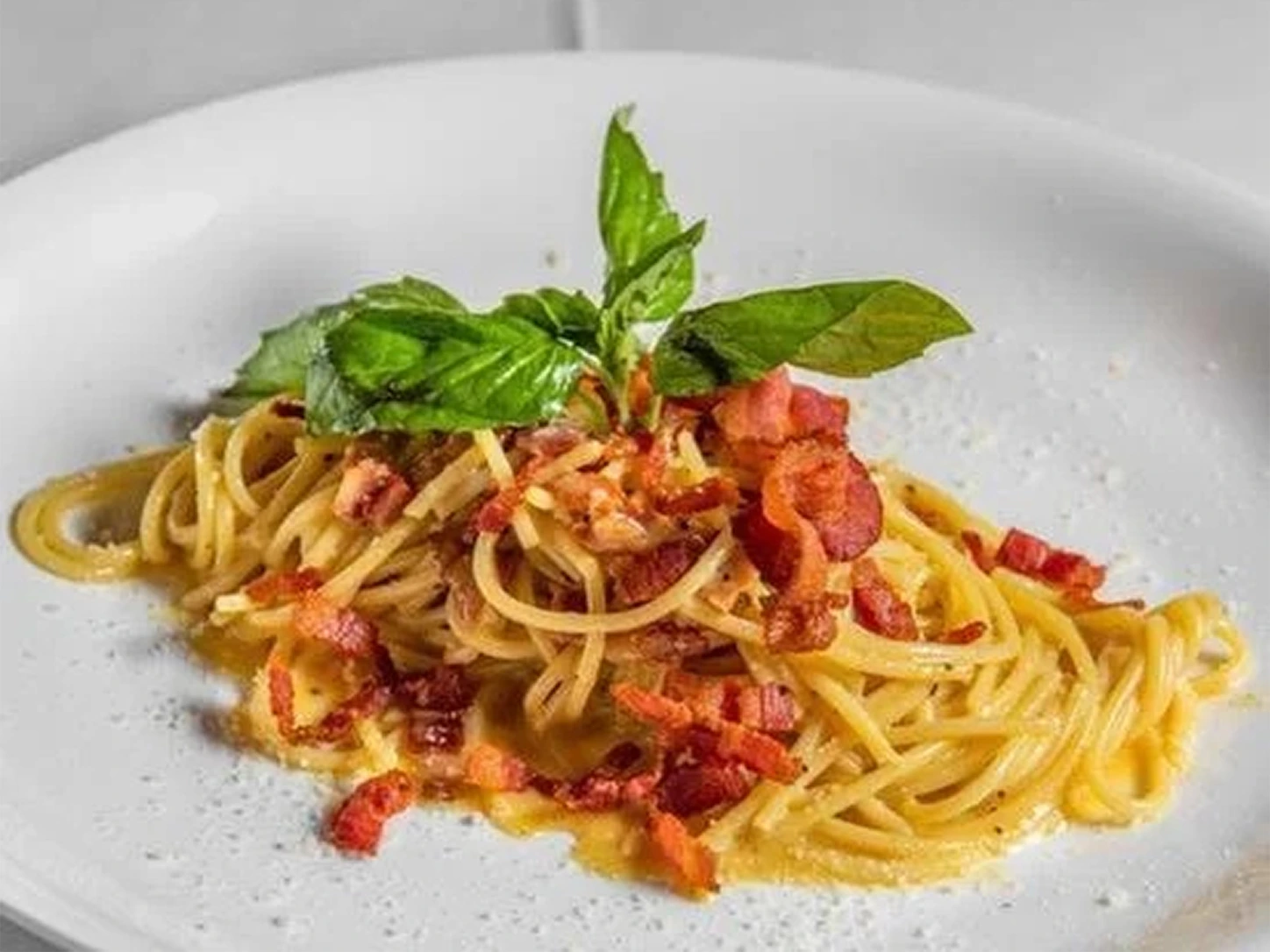
The Secret Behind Authentic Italian Pasta: What Makes It Different?
You've had pasta. But have you ever had pasta? There's a difference so wide it deserves its own conversation. If you've ever sat down at a great Italian restaurant in Boca Raton — like Le Sorelle Restaurant — and tasted a plate of handmade pasta that stopped you mid-sentence, you already know that something is fundamentally different about the real thing. The question is: what exactly is that secret?
It's not just flour and water. It's not just technique. It's a living tradition — one that's been refined over centuries, passed down through families, and protected with the kind of quiet pride that only Italians truly understand.
Let's pull back the curtain on authentic Italian pasta and explore what separates it from everything else on the plate.
It Starts Long Before the Dough: The Ingredients
Most people underestimate how dramatically ingredients affect the final result. Authentic Italian pasta begins with durum wheat semolina — a hard wheat with a high protein content that gives pasta its characteristic golden hue, firm bite, and ability to hold sauce beautifully.
This is not the same as all-purpose flour. And that difference alone changes everything.
Here's what separates authentic ingredients from shortcuts:
- Semolina flour or "00" flour — finely milled, high-gluten, and specifically designed for pasta-making.
- Fresh eggs — for egg-based pastas (like tagliatelle or pappardelle), the richness of the yolk creates a silkier, more golden dough.
- High-quality olive oil — used sparingly in some recipes to add elasticity and depth.
- No preservatives, no fillers, no shortcuts — authentic Italian pasta contains exactly what it needs, and nothing more.
In Italy, the philosophy behind every ingredient is the same: let it speak for itself. The wheat, the egg, the salt — each one matters.
Fresh vs. Dry: Understanding the Difference
One of the most misunderstood aspects of authentic Italian pasta is the distinction between fresh and dry pasta. In Italy, both are completely legitimate — but they serve different purposes.
Fresh pasta (pasta fresca) is made with eggs and soft wheat flour. It's silky, tender, and typically used in Northern Italian cooking. Think fettuccine, pappardelle, and stuffed pasta like ravioli or tortellini.
Dry pasta (pasta secca) is made with semolina and water, then slowly dried. It's the preferred choice in Southern Italy and is designed to hold up to heartier sauces.
The mistake most restaurants make? Treating both as interchangeable. Authentic Italian cooking matches the pasta type to the sauce with near-scientific precision.
Long, thin pasta like spaghetti? It pairs with light, olive oil-based sauces.
Wide, flat pasta like pappardelle? That's built for rich ragù.
Ribbed, tubular pasta like rigatoni? The ridges were designed — not by accident — to trap chunky sauces inside.
This intentionality is what defines authentic Italian pasta. Nothing is random.
The Art of Making Pasta by Hand
There's something deeply different about pasta that's been made by hand.
When a skilled chef works dough by hand, they can feel when the gluten has developed properly. They can adjust moisture with a pinch of flour. They can stretch and fold until the dough reaches exactly the right elasticity. A machine simply cannot replicate that kind of intuitive precision.
In regions like Emilia-Romagna, women known as sfogline have traditionally hand-rolled pasta sheets using nothing but a long wooden rolling pin — a practice so respected it's been recognized by culinary historians as a genuine art form.
What handmade pasta offers that packaged pasta simply cannot:
Texture with personality — slightly uneven surfaces catch sauce in ways that machine-cut pasta cannot.
Greater tenderness — the dough is worked just enough, not over-processed.
Flavor from the process — the oxidation that occurs during hand-rolling actually develops the taste of the pasta before it ever hits boiling water.
Freshness you can taste — handmade pasta is alive in a way that shelf-stable pasta simply is not.
"Al Dente" Is Not a Preference — It's a Standard
Walk into any Italian grandmother's kitchen and ask for pasta that's soft. She will look at you with a patience that borders on pity.
Al dente — which translates literally to "to the tooth" — is not a trendy preference. It is the only acceptable way to serve pasta in authentic Italian cooking. When you bite into properly cooked pasta, there should be the slightest resistance at the center. A faint firmness. A bite that says: I was cooked with attention.
Overcooked pasta breaks down in the sauce. It becomes mushy. It loses the ability to carry flavor. In contrast, pasta cooked al dente:
Holds its shape and texture — even after being tossed in sauce.
Absorbs flavor without becoming waterlogged — maintaining the integrity of every bite.
Has a lower glycemic impact — a bonus for your body, not just your taste buds.
Delivers the satisfying chew — that makes every bite worth slowing down for.
This is why authentic Italian restaurants are unapologetically precise about cooking times. Not because of rigidity — but because of respect for the dish.
The Sauce Is Not an Afterthought
In most non-Italian interpretations of pasta, the sauce is the star and the pasta is just the vehicle. In authentic Italian cooking, this relationship is reversed — or rather, it becomes a partnership.
Authentic Italian sauces are built on three principles:
1. Simplicity. The famous Roman pasta Cacio e Pepe has exactly three ingredients: pasta, Pecorino Romano cheese, and black pepper. Nothing hidden, nothing extra. The skill lies entirely in technique.
2. Regional identity. A Bolognese ragù from Bologna is a slow-cooked meat sauce that barely resembles what most of the world calls "Bolognese." A Neapolitan marinara is nothing like a jarred tomato sauce. Every region has its version, and every version is fiercely authentic.
3. Marriage, not drowning. Italian chefs finish pasta in the sauce — tossing it together over heat so the pasta absorbs the flavors, not just wears them. The result is a cohesive, unified dish rather than pasta swimming in sauce.
Regional Identity: Why There's No Single "Italian Pasta"
Here's something most people don't realize: there is no single Italian pasta tradition. Italy is a mosaic of 20 regions, and each one has its own pasta culture, its own ingredients, its own recipes — and its own pride.
Northern Italy (Emilia-Romagna, Piedmont): Egg-based pasta, rich butter sauces, aged Parmigiano Reggiano.
Central Italy (Lazio, Tuscany): Pasta meets Roman tradition — Cacio e Pepe, Amatriciana, Carbonara.
Southern Italy (Naples, Sicily, Puglia): Semolina pasta, tomato-forward sauces, fresh seafood, and robust olive oil.
Each of these traditions is the product of geography, climate, local agriculture, and history stretching back hundreds of years. When a restaurant honors these regional distinctions — rather than blending everything into a generic "Italian" category — you're eating authentically.
What Authentic Italian Pasta Tells You About the Restaurant
When you sit down at a restaurant and a plate of pasta lands in front of you, it tells you everything you need to know about what's happening in that kitchen.
Is the pasta made in-house, fresh daily? Or was it pulled from a box?
Does the sauce taste like it was simmered for hours, or assembled quickly?
Does each component taste like it belongs together, or were they combined out of convenience?
Authentic Italian pasta is not fast food. It takes time, intention, and a refusal to compromise. At Le Sorelle Restaurant, this standard is baked into everything — from handmade pasta prepared fresh each day to imported Italian ingredients that carry the flavor profiles of the regions they come from. The kitchen doesn't adapt for convenience. It adapts only for excellence.
When you encounter pasta made this way, you don't just taste it. You feel it.
The Role of Patience in Italian Pasta Culture
There's a reason Italian meals traditionally last two to three hours. Eating is not a transaction. It is a ritual.
Authentic Italian pasta embodies this value at every stage of its creation:
The dough rests after kneading — often for 30 minutes or more — so the gluten can relax and the pasta becomes easier to roll.
The sauce simmers low and slow — sometimes for an entire afternoon — so every ingredient has time to fully release its flavors.
The pasta is tossed with care — never rushed through the final step that brings everything together.
The meal is eaten slowly — savored, not consumed.
This patience is perhaps the single biggest difference between authentic Italian pasta and everything else. You cannot rush a tradition that has spent centuries perfecting itself.
Why Authentic Italian Pasta Is Worth Seeking Out
We live in an era of fast food, meal kits, and two-minute microwave pasta. And while convenience has its place, it has also dulled our appreciation for food that takes effort.
Authentic Italian pasta reminds you what food can be when someone cares.
It's the difference between a meal that fills you up and a meal you remember. Between eating and experiencing. Between a dish that could have been anything and a dish that could only be Italian.
If you haven't experienced that difference yet, it's worth your time to find a table at a restaurant that takes pasta seriously. You'll understand — in a single bite — exactly what the secret is.
Reserve Your Table Today
Leave a Reply
FAQs
Authentic Italian pasta is made with high-quality semolina or "00" flour, often handmade, and always cooked al dente. The biggest difference lies in the ingredients, technique, and the fact that pasta and sauce are chosen to complement each other — not just combined randomly.
Not necessarily. Both have their place in Italian cuisine. Fresh pasta (made with eggs and soft flour) is ideal for rich, creamy sauces and stuffed pasta. Dry pasta (made with semolina and water) holds up better with heartier, chunkier sauces. Authentic Italian cooking uses both intentionally.
Al dente pasta retains a slight firmness at its center, which allows it to hold its shape, absorb sauce evenly, and deliver a satisfying texture. Overcooked pasta becomes mushy and loses its ability to carry flavor. For Italians, al dente isn't a preference — it's the standard.
Handmade pasta has a slightly uneven texture that catches sauce beautifully, a tenderness from being worked by skilled hands rather than machines, and a freshness that packaged pasta cannot replicate. The process itself — kneading, resting, rolling — develops flavor in ways that factory production simply cannot.
Look for pasta made fresh in-house daily, sauces that are crafted from scratch (not from jars), and a menu that pairs specific pasta shapes with specific sauces. Authentic Italian restaurants also use imported Italian ingredients — like aged Parmigiano Reggiano, San Marzano tomatoes, and high-quality olive oil — rather than generic substitutes.