
The Italian Art of Fresh Pasta: From Ingredients to the Plate
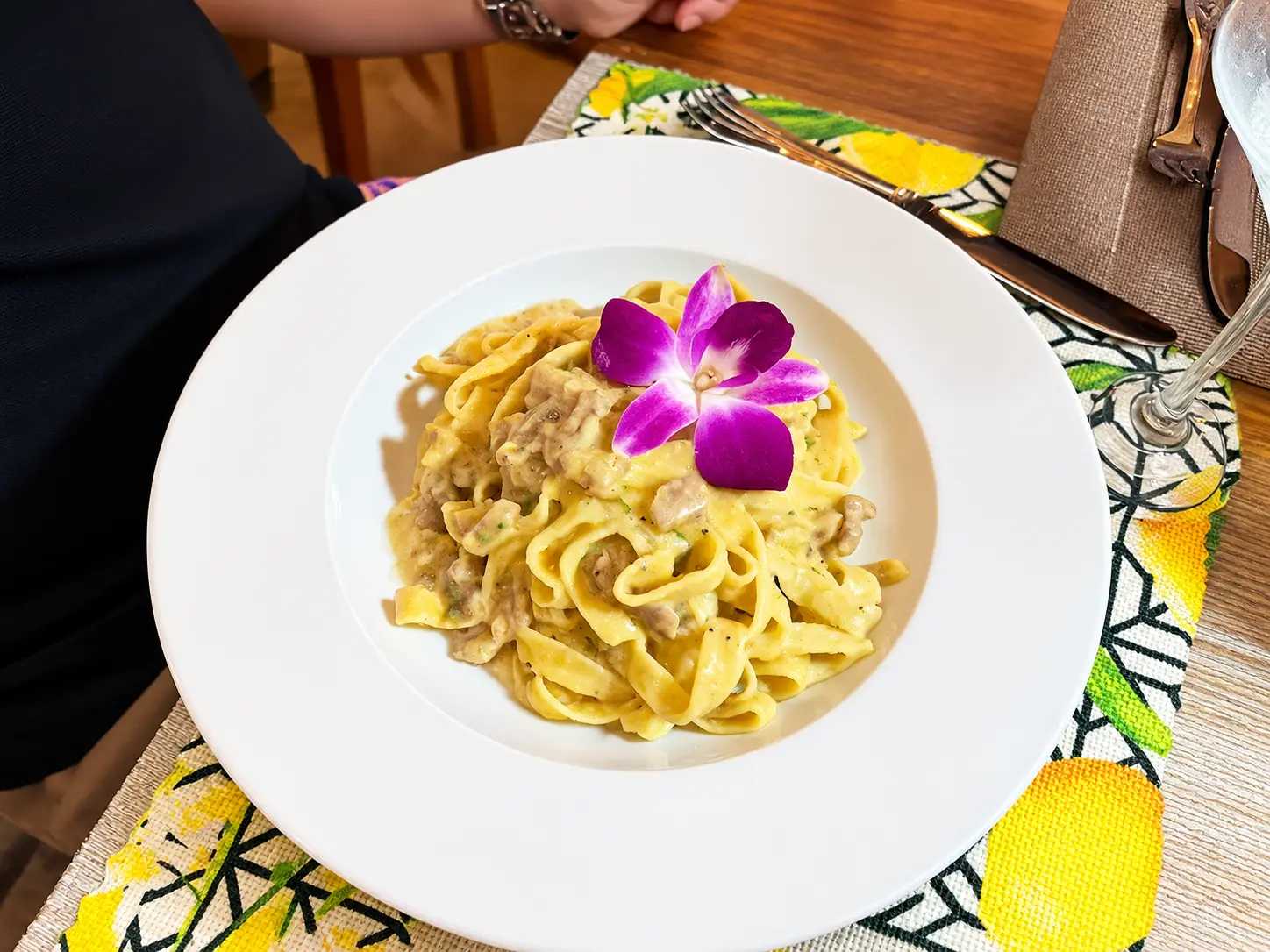
Few foods carry as much emotion as a plate of fresh pasta. The soft give of the noodle, the way a sauce clings to every ridge, the faint smell of egg and wheat rising from the bowl — none of that happens by accident. It happens because someone understood the craft.
Fresh pasta isn't just boiled dough. It's a tradition passed down through Italian kitchens for centuries, built on a handful of simple ingredients and a lot of patience. At Le Sorelle Restaurant, that tradition shows up on every plate, which is part of why guests searching for an Italian restaurant in Boca Raton keep coming back for pasta that actually tastes homemade.
What Makes Pasta "Fresh" in the First Place
Dried pasta and fresh pasta start from the same basic idea: flour and water. But that's where the similarity ends.
Fresh pasta is typically made with:
- 00 flour – a finely milled, soft wheat flour that creates a silky, tender texture
- Eggs – they add richness, color, and structure to the dough
- A pinch of salt – for flavor, worked directly into the dough
- Sometimes olive oil or water – depending on the regional style
Dried, boxed pasta is made mostly with semolina flour and water, then extruded through metal dies and dried for shelf life. It's reliable, but it's built for storage, not for flavor. Fresh pasta is built for the moment it's eaten, which is exactly the kind of made-to-order approach that defines an authentic Italian dining experience.
That difference shows up the second it hits your fork. Fresh pasta cooks in minutes, has a tender bite instead of a firm one, and soaks up sauce instead of sliding off it.
The Hands-On Craft of Making Pasta
Making pasta from scratch is part science, part muscle memory. A skilled pasta maker can tell the dough is ready just by how it feels under their palms.
The basic process looks like this:
- Mound the flour on a clean surface and create a well in the center.
- Crack the eggs into the well and slowly incorporate the flour from the edges inward.
- Knead the dough for 8–10 minutes, until it's smooth, elastic, and slightly tacky.
- Rest the dough, covered, for at least 30 minutes. This lets the gluten relax, which makes rolling much easier.
- Roll it thin, by hand with a long wooden pin or through a pasta machine, until it's almost translucent.
- Cut or shape it into the form the dish calls for.
That resting step is easy to skip and impossible to fake. Dough that hasn't rested fights back when you roll it — it snaps back, tears, and cooks unevenly. Patience is baked into every good batch of pasta. It's this kind of unhurried process that makes homemade Italian pasta taste so different from anything boxed.
Popular Pasta Shapes and What They're Made For
Not all pasta shapes are interchangeable. Italian cooks pair specific shapes with specific sauces for a reason — texture and surface area change how a sauce behaves.
- Tagliatelle – wide, flat ribbons perfect for rich, meaty ragùs that need something to cling to
- Fettuccine – slightly narrower than tagliatelle, ideal with creamy or butter-based sauces
- Pappardelle – extra-wide ribbons built to carry slow-braised meat sauces
- Ravioli and tortellini – stuffed shapes that turn pasta into a complete bite on their own
- Strozzapreti – short, twisted pasta that holds onto chunky sauces with vegetables or seafood
A sauce that's too thin for a ravioli, or too heavy for a delicate tagliatelle, throws the whole dish off balance. This pairing logic is part of what separates a thoughtful kitchen from one that's just boiling noodles. It's also something the team at Le Sorelle Restaurant takes seriously with every dish that leaves the kitchen.
From Dough to Plate: How Fresh Pasta Comes Together
Once the pasta is shaped, the real magic happens fast. Fresh pasta cooks in 2 to 4 minutes — a fraction of the time dried pasta needs. It's pulled the moment it turns tender but still has a little resistance, then tossed directly into the sauce, not drowned in it afterward.
That final toss matters more than most diners realize. It lets the pasta finish cooking in the sauce itself, absorbing flavor instead of just wearing it on top. A splash of starchy pasta water often gets added here too, helping the sauce bind and turn silky instead of watery or oily.
It's a small window of time, but it's where technique either shows up or falls apart.
Why Fresh Pasta Matters When You Dine Out
Anyone can boil a box of dried noodles at home. Fresh, handmade pasta is harder to get right, which is exactly why it's worth seeking out when you eat Italian food away from home.
When a kitchen makes pasta fresh in-house, a few things are usually also true:
- Ingredients are sourced with more care
- Dishes are made to order, not reheated
- Recipes tend to follow traditional methods instead of shortcuts
- The kitchen takes pride in the small details most diners won't even notice, but will taste
If you're planning a dinner out and want something that feels thoughtfully made, fresh pasta is a good place to start. Ask what's handmade that day, and build your order around it.
Craving a plate of pasta made the traditional way? Le Sorelle Restaurant brings that same hands-on approach to every dish on the menu.
Looking for the best Italian restaurant in Boca Raton for a meal that feels personal instead of mass-produced? Fresh, handmade pasta is one of the clearest signs you've found it.
Reserve Your Table Today
Leave a Reply
FAQs
Fresh pasta is made with soft wheat flour and eggs, cooks in just a few minutes, and has a tender texture. Dried pasta uses semolina flour and water, lasts much longer on a shelf, and has a firmer bite.
Fresh pasta has a higher moisture content from the start, since it's never dried out for storage. That means it needs far less time in boiling water to become tender.
Most fresh pasta recipes include eggs for richness and structure, but some regional Italian styles, especially in southern Italy, use just flour and water instead.
Shape affects how much sauce a noodle can hold and how it feels in the mouth. Wide ribbons like pappardelle are built for hearty meat sauces, while small twisted shapes like strozzapreti catch chunky vegetable or seafood sauces well.
Freshly made pasta usually has a slightly rougher, more matte texture than store-bought dried pasta, cooks quickly, and has a soft, tender bite. Many restaurants that make pasta in-house will also note it on the menu or happily tell you if you ask.