
The Complete Breakdown of Traditional Italian Pizza Toppings
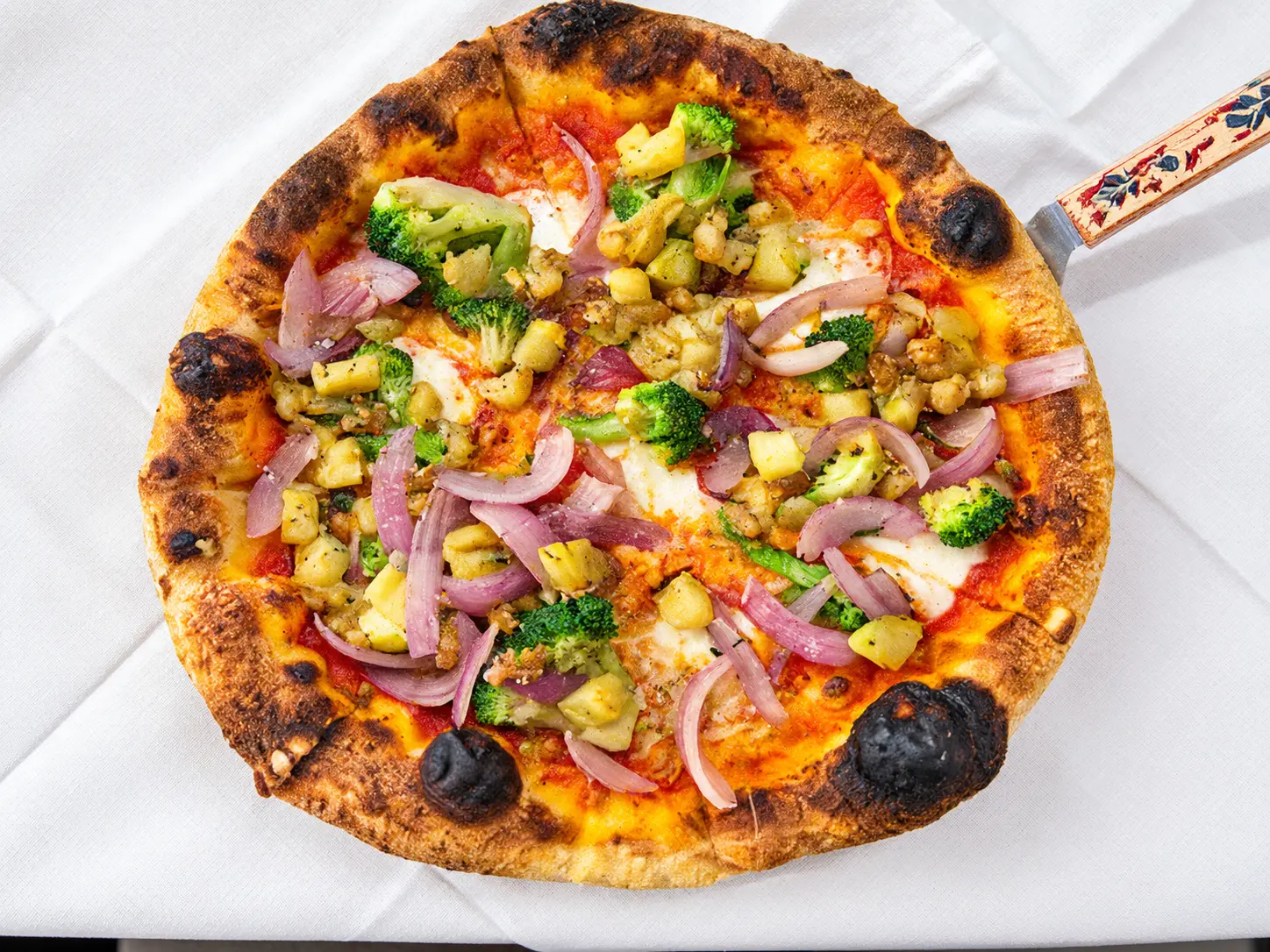
Walk into any pizzeria in Naples, and you won’t find a topping menu with forty options. You’ll find five or six pizzas, each one a fixed combination perfected over a century. That’s the real story of Italian pizza — it was never about piling on ingredients. It was about restraint, balance, and knowing exactly which toppings belong together.
Most “ultimate guides” to Italian pizza online just list pizza names with a one-line description and call it a day. That’s not enough if you actually want to understand why these combinations exist, which ones are protected by Italian law, and how to taste the difference between an authentic pie and a tourist-trap version. This guide goes deeper — covering the history, the official rules, the regional differences, and a practical way to judge whether a pizza is truly traditional.
Why Italian Pizza Toppings Are So Strict
In Italy, pizza isn’t just food — it’s heritage. The Associazione Verace Pizza Napoletana (AVPN), founded in 1984, actually certifies pizzerias that follow the original Neapolitan method down to the flour type, the dough hydration, and the oven temperature.
This matters for toppings too. Traditional Italian pizza follows a simple rule: every ingredient has to earn its place. Nothing is added just for decoration. A true Margherita has exactly three toppings. A Marinara has four. There’s no clutter, because clutter hides bad dough and mediocre ingredients.
This is also where most non-Italian pizza places go wrong. They treat toppings as a volume game — more cheese, more meat, more sauce. Classic Italian pizza does the opposite: it uses fewer, higher-quality ingredients so each one is actually tasted.
The Five Pizzas That Define Italian Tradition
These are the foundational pies almost every Italian pizzeria builds its menu around.
Margherita
- San Marzano tomatoes (DOP-certified when done right)
- Fior di latte or buffalo mozzarella
- Fresh basil leaves
- Extra virgin olive oil
Created in 1889 and reportedly named for Queen Margherita of Savoy, this pizza is the national flag made edible — red tomato, white mozzarella, green basil.
Marinara
- Tomato
- Garlic
- Oregano
- Extra virgin olive oil
No cheese at all. The Marinara predates the Margherita and is actually considered the original Neapolitan pizza. Its name comes from “marinara,” meaning “sailor-style” — a quick, cheap meal fishermen’s wives could make before their husbands returned to port.
Quattro Stagioni (Four Seasons)
- Artichokes
- Mushrooms
- Ham or prosciutto cotto
- Olives, split into four separate quarters
Each quarter represents a season — artichokes for spring, basil or tomato for summer, mushrooms for autumn, and ham or olives for winter. It’s one of the few traditional pizzas built around visual storytelling.
Capricciosa
- Ham
- Mushrooms
- Artichokes
- Olives
- Sometimes a boiled egg
Think of it as the Quattro Stagioni’s cousin — same ingredients, but mixed together instead of separated into quarters. The name means “capricious” or “whimsical,” a nod to its slightly chaotic combination.
Quattro Formaggi (Four Cheeses)
- Mozzarella
- Gorgonzola
- Fontina
- Parmigiano Reggiano (or Grana Padano)
Usually made without tomato sauce, this pizza relies entirely on the contrast between a mild cheese, a sharp blue cheese, and a nutty hard cheese
Regional Differences Most Guides Skip
Italy doesn’t have one pizza style — it has several, shaped by geography and local produce.
- Naples (the birthplace): Thin, soft, slightly charred crust with a puffy “cornicione” (edge). Toppings stay minimal and wet, almost soupy in the center.
- Rome: A thinner, cracker-crisp crust that holds more toppings without going soggy. Pizza rossa (tomato and oregano only) and pizza bianca (olive oil and salt, no tomato) are street-food staples here.
- Sicily: Thicker, square-cut “sfincione” style, topped with onions, anchovies, tomato, and breadcrumbs instead of mozzarella.
- Liguria: Home to pizza with pesto, along with focaccia-adjacent styles using local olive oil.
Understanding this regional split explains why two “authentic” Italian pizzas can look completely different and still both be correct.
The Ingredients That Make a Topping “Traditional”
A topping isn’t traditional just because it’s Italian-sounding. It has to follow a few real standards:
- Tomatoes: San Marzano, grown in volcanic soil near Mount Vesuvius, is the gold standard — sweeter and less acidic than standard canned tomato.
- Mozzarella: Fior di latte (cow’s milk) for everyday pizzas, mozzarella di bufala campana DOP for premium versions. Pre-shredded, moisture-heavy mozzarella is never used in traditional pizza-making because it makes the crust soggy.
- Olive oil: Always extra virgin, drizzled raw after baking in many cases, not just cooked into the sauce.
- Basil: Added fresh, often torn by hand after the pizza comes out of the oven, never dried.
- Cured meats: Prosciutto crudo is added after baking so it stays delicate; prosciutto cotto and salami can go on before baking.
This is the detail that separates a genuinely traditional pizza from an imitation: timing. When a topping is added — before or after the oven — changes its texture, flavor, and how “authentic” the final pizza actually tastes.
Toppings That Are Not Traditional (Even If They’re Popular)
A few combinations are common in the U.S. but would raise eyebrows in Italy:
- Pineapple or other sweet fruit
- Ranch dressing as a base or drizzle
- Excessive meat combinations (more than two proteins on one pie)
- Heavy layers of shredded, low-moisture mozzarella blend
- BBQ sauce in place of tomato
None of these are “wrong” if that’s what you enjoy — pizza has evolved globally in fun directions. But they fall outside the traditional Italian framework this guide is built around.
How to Spot an Authentic Italian Pizza When You’re Eating Out
If you’re trying to judge whether a pizzeria takes tradition seriously, look for these signs:
- A short menu with classic names (Margherita, Marinara, Capricciosa) rather than dozens of “specialty” pies
- A soft, slightly blistered crust rather than a uniformly crisp one
- Fresh mozzarella instead of a shredded cheese blend
- San Marzano or DOP tomato listed on the menu
- Basil added after baking, not cooked into the sauce
Finding anItalian restaurant in Boca Raton that checks every one of these boxes isn’t always easy — a lot of menus borrow the name “Italian” without the method behind it. At Le Sorelle Restaurant, the approach stays close to what’s described above: San Marzano tomatoes, fresh mozzarella, and a short list of toppings chosen for balance rather than quantity.
Building Your Own Traditional Pizza at Home
If you want to recreate these combinations yourself, a few rules go a long way:
- Use less sauce than you think you need — a thin layer is traditional, a thick layer is not
- Add fresh herbs after baking, not before
- Choose two or three toppings maximum for anything resembling a classic style
- Let the dough rest at room temperature before shaping, so it stays soft rather than tough
Even with the right ingredients, home ovens rarely hit the 800–900°F that Neapolitan pizza ovens reach, so the texture will differ. That’s part of why so many people still look for the best Italian restaurant in Boca Raton rather than attempting the full Neapolitan method at home — the oven matters as much as the toppings.
Final Thoughts
Traditional Italian pizza toppings are all about balance and quality. From the simple Marinara to the rich Quattro Formaggi, every classic pizza reflects generations of Italian culinary tradition. Understanding these combinations makes every bite more enjoyable.
At Le Sorelle Restaurant, we celebrate authentic Neapolitan pizza with simple, high-quality ingredients prepared with care. Visit us and experience the flavors of traditional Italian pizza, where every topping has a purpose and every slice tells a story.
Reserve Your Table Today
Leave a Reply
FAQs
The Margherita (tomato, mozzarella, basil, olive oil) and the Marinara (tomato, garlic, oregano, olive oil) are considered the two most traditional combinations, both dating back to 19th-century Naples.
Classic Italian pizza uses cheese as one balanced element, not the dominant one. Too much cheese weighs down the thin crust and can make it soggy, which goes against the texture traditional pizza-making aims for.
Not exactly. The closest Italian equivalent is spicy salami, used on a Diavola pizza. “Pepperoni” as it’s known in the U.S. is an American-Italian creation, not a classic Italian topping.
Authentic mozzarella is fresh, high-moisture, and made from cow’s milk (fior di latte) or buffalo milk (mozzarella di bufala), not the shredded, low-moisture blends common on mass-market pizza.
Yes. Several traditional styles, like the Quattro Formaggi and pizza bianca, skip tomato entirely, relying instead on cheese, olive oil, and sometimes potatoes or vegetables.