
What Makes a Perfect Authentic Neapolitan Pizza?
The Pizza That Made Naples Famous
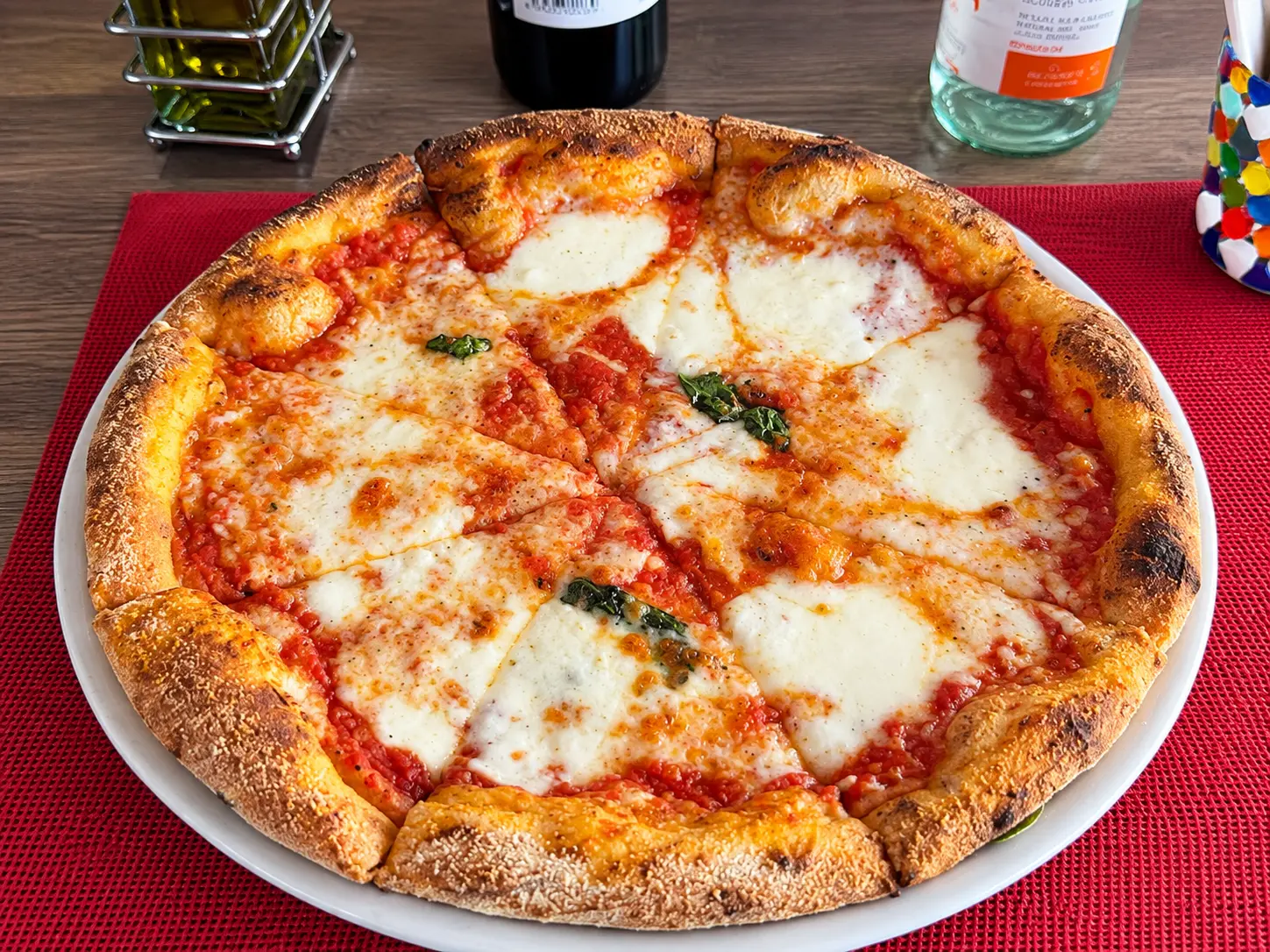
A pizza arrives at your table, blistered and bubbling. The crust is puffy and charred in tiny leopard spots. The center is soft and glossy. The smell of basil hits you first.
That is Neapolitan pizza. And it is nothing like the pizza most of us grew up eating.
It is not a giant, greasy slice. It is not loaded with ten toppings. It is simple, and simple is hard to get right.
So what separates a truly great one from an average one? Let's break it down. By the end, you will know exactly what to look for, and what to skip.
A Quick Story: Where Neapolitan Pizza Began
Pizza was born in Naples, Italy. For centuries it was cheap street food for workers. It was fast, filling and folded up to eat on the go.
The famous Margherita came later, in 1889. Legend says a pizza maker named Raffaele Esposito made a pie for Queen Margherita of Savoy. It used tomato, mozzarella and basil, the colors of the Italian flag.
Whether the story is fully true or not, the pizza stuck. And in 2017, UNESCO recognized the art of the Neapolitan pizza maker, the pizzaiuolo, as part of the world's cultural heritage.
That tells you something. This is not just food. It is a craft.
The Rules Behind the Real Thing
Naples takes its pizza seriously. An association called the Associazione Verace Pizza Napoletana (AVPN) sets strict standards for pizzerias that want its official certification.
Not every great pizzeria follows every rule. But the standards give us a clear picture of what "authentic" means. Here are the core ideas:
- Dough made from just four ingredients
- Simple, high-quality toppings
- A hot, wood-fired dome oven
- A very short bake time
- A soft, thin center and a puffy crust
Let's look at each one.
1. The Dough: Only Four Ingredients
Real Neapolitan dough is beautifully short on ingredients:
- Flour
- Water
- Salt
- Yeast
That is all. No sugar. No oil. No dough conditioners.
The flour matters most. Authentic pizza uses finely milled Italian "00" flour. It is soft and silky. It creates a dough that stretches thin without tearing.
The dough must rest. Great pizza makers ferment their dough for many hours, often 8 to 24 or more. This slow rise does two things:
- It builds deep, complex flavor.
- It makes the crust lighter and easier to digest.
A quick dough made in an hour tastes flat by comparison. Time is the secret ingredient.
No rolling pin allowed. The dough is shaped by hand. Pizza makers press from the center and push air toward the edge. That trapped air becomes the airy, puffy rim called the cornicione.
A rolling pin crushes those bubbles. That is why the rule exists.
2. The Tomatoes: Sweet, Bright and Simple
Neapolitan sauce is barely a sauce at all. There is no long simmering and no heavy herbs.
Good pizzerias crush ripe tomatoes by hand, add a pinch of salt, and spread them on raw. The heat of the oven cooks the sauce right on the pizza.
The gold standard is the San Marzano tomato. It grows in the rich volcanic soil near Mount Vesuvius. It is naturally sweet, low in acid and full of flavor.
Look for the "DOP" label on a can. It signals that the tomatoes come from the protected growing region.
The result tastes fresh and bright, not heavy or sugary.
3. The Cheese: Fresh Mozzarella, Not Shredded
Here is where many pizzas go wrong.
Authentic Neapolitan pizza uses fresh mozzarella. Two types are common:
- Fior di latte: made from cow's milk. It is mild, milky and melts softly.
- Mozzarella di Bufala: made from water buffalo milk. It is richer, tangier and creamier.
The cheese is torn or sliced and placed in small pieces. It does not cover the pizza edge to edge. You should see red tomato peeking through white pools of cheese.
Fresh mozzarella also holds water. That is why a real Neapolitan pizza has a soft, slightly wet center. It is meant to be that way.
4. The Finishing Touches: Basil and Olive Oil
A classic Margherita finishes with two more things:
- A few fresh basil leaves
- A light drizzle of extra virgin olive oil
The basil goes on early so its aroma opens up in the heat. The olive oil adds a silky finish.
That is it. Nothing else is needed.
There is also the older Marinara, which has tomato, garlic, oregano and olive oil, and no cheese at all. It is often called the original.
If a pizza needs a dozen toppings to taste good, the base probably is not great.
5. The Oven: Fire, Heat and Speed
This is the part that surprises people most.
A real Neapolitan pizza is baked in a wood-fired dome oven. The floor of the oven reaches around 900°F (about 480°C). That is far hotter than any home oven.
At that heat, the pizza cooks in about 60 to 90 seconds.
Why does speed matter?
- The crust puffs up fast and stays light.
- The outside chars in small, flavorful spots.
- The inside stays soft, tender and moist.
- The toppings stay fresh instead of drying out.
A pizza that bakes for 12 minutes in a regular oven simply cannot match this. The texture is different. The taste is different.
The pizza maker also rotates the pie with a peel while it bakes. It takes skill and constant attention. There is no time for a coffee break.
6. The Shape and Texture: Soft in the Middle
A perfect Neapolitan pizza has a signature look:
- A modest size, usually about 10 to 12 inches
- A thin, tender center
- A raised, airy, puffy crust
- Light charring, often called leopard spotting
Here is a surprise. The center is soft, not crisp.
Many people expect a crackly slice. Neapolitan pizza is meant to be eaten with a knife and fork, or folded like a wallet. It droops a little in the middle. That is a sign it was made properly, not a flaw.
If a "Neapolitan" pizza is stiff and cracker-like, it is likely something else.
How to Spot an Authentic Neapolitan Pizza
Not sure if the pizza in front of you is the real deal? Use this quick checklist.
Green flags:
- You can see a wood-fired oven, or hear the crackle of the fire.
- The menu is short and focused.
- The crust is puffy, blistered and lightly charred.
- The center is soft and slightly wet.
- The cheese is fresh, in small pieces.
- The pizza arrives within minutes of ordering.
Red flags:
- A huge list of toppings
- A thick, bready or crunchy base
- Heavy, shredded cheese covering everything
- Sugary, overly seasoned sauce
- A pizza that took a long time to cook
Trust your eyes and your first bite. Great pizza does not need to hide behind extras.
Why Simple Is So Hard
There is nowhere to hide with only a few ingredients.
If the tomato is dull, you taste it. If the dough is rushed, you feel it. If the oven is not hot enough, the crust turns out pale and doughy.
That is why authentic Neapolitan pizza takes real skill and real respect for tradition. Every detail counts:
- The age and hydration of the dough
- The heat of the oven
- The freshness of the cheese
- The timing of the bake
When all of it comes together, the result is magic. It is chewy, light, smoky, creamy and fresh in one bite.
How to Enjoy It the Right Way
A few small tips make the experience even better:
- Eat it fresh. Neapolitan pizza is best in the first few minutes. It does not hold well.
- Skip the extra toppings the first time. Try a classic Margherita to taste the base.
- Use a fork and knife if you like. The soft center makes this perfectly normal.
- Pair it well. A light red wine, a crisp white, or a sparkling drink works nicely.
- Share and sample. Try a Margherita and a Marinara side by side.
Take your time. This pizza is made to be savored.
Where to Find Real Neapolitan Flavor Near You
If you love the sound of all this, you do not need a plane ticket to Naples. If you are looking for an Italian restaurant in Boca Raton that cares about tradition, start by looking for the signs we covered above: fresh dough, quality ingredients and a real respect for the craft.
At Le Sorelle Restaurant, we believe great Italian food starts with honest ingredients and time-honored technique. Whether you are a lifelong pizza lover or trying Neapolitan style for the first time, we would love to share our table with you.
Ready to Taste the Difference?
Come hungry. Bring family and friends.
Book your table at Le Sorelle Restaurant today and see what real Italian hospitality feels like.
Not sure what to order? Ask our team. We are always happy to guide you.
Your next great pizza is waiting.
Final Thoughts
A perfect authentic Neapolitan pizza comes down to a few simple things done very well:
- Fresh, slow-fermented dough
- Sweet, ripe tomatoes
- Fresh mozzarella
- Basil and olive oil
- An extremely hot oven and a fast bake
- A soft, airy, lightly charred crust
Now you know what to look for. Next time you sit down for a pizza, you will taste the difference right away.
And when you are searching for the best Italian restaurant in Boca Raton, remember that the details matter. Ask about the dough. Ask about the oven. The answers say a lot.
Reserve Your Table Today
Leave a Reply
FAQs
Neapolitan pizza uses simple dough, fresh toppings and a very hot wood-fired oven. It bakes in about 90 seconds. The crust is soft and puffy with a tender center. Regular pizza is often thicker, crispier and loaded with more toppings.
The center is thin and topped with fresh mozzarella and tomato. It bakes very fast, so the moisture does not fully evaporate. This soft texture is traditional and intentional.
Most pizza makers use finely milled Italian "00" flour. It creates a soft, stretchy dough that bakes into a light, airy crust.
It is hard to match the real thing. Home ovens usually reach only about 500°F, far below a wood-fired oven. You can still make a tasty Neapolitan-style pizza with a pizza stone or steel, but the texture will differ.
The two classics are the Margherita (tomato, fresh mozzarella, basil and olive oil) and the Marinara (tomato, garlic, oregano and olive oil, without cheese). Simple toppings let the ingredients shine.