
What Is the Best Italian Restaurant in Florida?
Florida has no shortage of red-sauce joints, fine-dining Italian spots, and beachside trattorias claiming the “best” title. But here’s the truth: there’s no single, official ranking that crowns one restaurant king of the entire state. What there is, though, is a clear set of standards that separate a forgettable plate of pasta from a meal you’re still thinking about a week later.
If you’ve typed “best Italian restaurant in Florida” into a search bar, you’re probably not just looking for a list of names. You want to know what actually makes an Italian restaurant great — and where to find that experience without gambling on a random five-star review that turns out to be exaggerated.
This guide breaks down exactly what separates exceptional Italian cooking from average Italian cooking, so you can judge any restaurant — including the one down the street from you — with a sharper eye.
Why “Best” Is a Tricky Word for Italian Food
Italian cuisine isn’t one thing. A restaurant in Tampa serving heavy, cream-based Italian-American classics and a restaurant in Boca Raton serving wood-fired Neapolitan pizza are both “Italian,” but they’re playing completely different games.
So when people ask what the best Italian restaurant in Florida is, they’re often really asking one of these:
- Where can I get the most authentic, traditional Italian cooking?
- Where can I get comfort-food Italian-American classics done really well?
- Where’s the best upscale, special-occasion Italian spot?
- Where’s the most consistent neighborhood Italian place I can trust every time?
None of these questions have the same answer. That’s exactly why a single “best in Florida” list rarely holds up — it’s comparing restaurants that aren’t even trying to do the same thing.
The Real Criteria That Define a Great Italian Restaurant
Instead of chasing a popularity contest, it helps to judge Italian restaurants against a consistent set of standards. These are the things that separate the memorable from the mediocre.
1. Dough and Pasta Made In-House
This is the single biggest tell. Restaurants that make their pizza dough and pasta fresh, in-house, every day are operating on a different level than restaurants pulling from frozen supplier bags. You can taste the difference almost immediately — fresh dough has better texture, better flavor development, and a lighter, more digestible result.
2. Ingredient Sourcing
Great Italian cooking is ingredient-driven, not sauce-driven. San Marzano tomatoes, real buffalo mozzarella, high-quality olive oil, and properly cured meats all matter more than people realize. A restaurant that invests in sourcing is a restaurant that respects the cuisine.
3. Technique Over Shortcuts
Authentic Neapolitan pizza, for example, requires a specific dough hydration, fermentation time, and oven temperature (often 800–900°F in a wood-fired oven) to get that signature leopard-spotted, chewy-yet-crisp crust. Shortcuts show up fast — soggy centers, overly dense dough, or flat, one-note flavor.
4. Consistency
Anyone can have one great night. The best restaurants deliver the same high standard whether you visit on a slow Tuesday or a packed Saturday night.
5. Atmosphere That Matches the Food
Italian dining is supposed to feel unhurried, warm, and a little bit like being welcomed into someone’s home. A restaurant that gets the food right but rushes you through the experience is only doing half the job.
Why Boca Raton Deserves More Attention in This Conversation
Most “best Italian restaurant in Florida” roundups default to Miami or Fort Lauderdale and barely mention Boca Raton. That’s a gap, because Boca Raton has quietly built one of the more serious Italian dining scenes in South Florida — driven by a community that genuinely cares about authenticity, not just atmosphere.
If you’re searching for a true Italian restaurant in Boca Raton, the things to look for are the same criteria outlined above: fresh dough, real ingredients, traditional technique, and a kitchen that treats pasta and pizza as craft rather than filler.
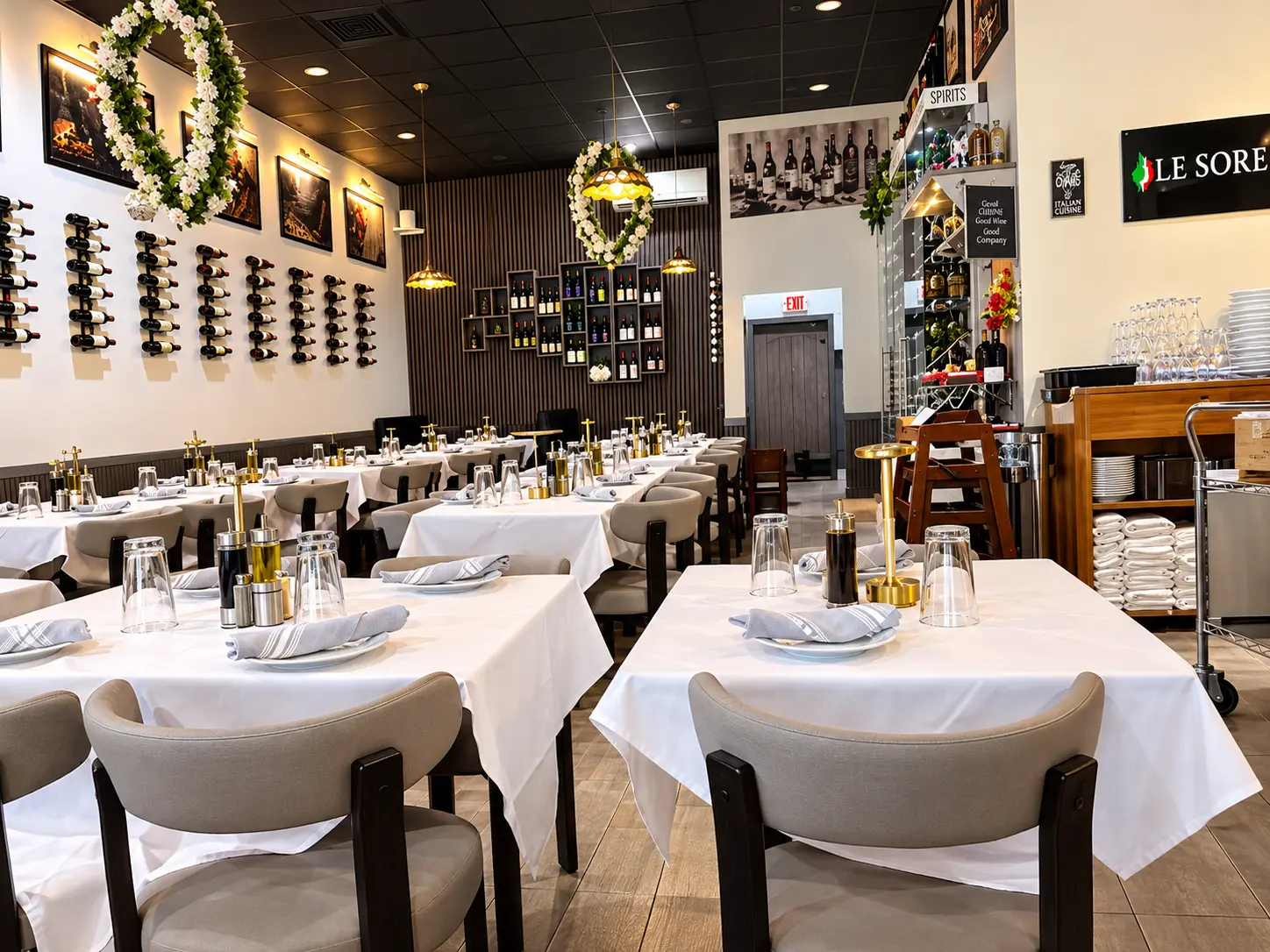
This is exactly the standard Le Sorelle Restaurant holds itself to. Rather than chasing trends, Le Sorelle focuses on the fundamentals that actually define great Italian cooking — hand-stretched Neapolitan-style pizza, fresh pasta, and recipes rooted in real Italian tradition rather than Americanized shortcuts. It’s a reminder that “best” isn’t about flash — it’s about getting the basics right, consistently, plate after plate.
For diners seeking authentic Italian cuisine, that distinction matters. It’s the difference between a restaurant that looks the part and one that actually delivers the part.
Red Flags That Signal a Restaurant Isn’t the Real Deal
Knowing what to avoid is just as useful as knowing what to look for.
- Pizza that’s uniformly thick and floppy with no char or texture variation
- Pasta that tastes gummy or overly soft (a sign it’s not fresh or properly cooked)
- Sauces that taste mostly like salt and sugar instead of tomato and herbs
- A menu that’s enormous — 10+ pages often means nothing is made fresh in-house
- Zero mention of sourcing, regional style, or technique anywhere on the menu or website
If a restaurant can’t speak to why they do things a certain way, that’s usually a sign the “why” doesn’t exist.
How to Find the Best Italian Restaurant Near You
You don’t need a state-wide ranking to eat well tonight. Use this simple approach instead:
- Check the pizza oven. Wood-fired ovens signal commitment to traditional technique.
- Ask if pasta is made fresh daily. A confident “yes” is a very good sign.
- Read reviews for specific dishes, not star ratings. “The carbonara was perfect” tells you more than “4.8 stars.”
- Look for a focused menu. Fewer dishes, done better, almost always wins.
- Trust repeat visits over hype. The best restaurants earn regulars, not just one-time reviews.
Final Thoughts
There’s no single crown for the best Italian restaurant in Florida — and honestly, that’s a good thing. It means the standard isn’t about fame, it’s about craft: fresh dough, real ingredients, honest technique, and a kitchen that cares. When you judge restaurants by those standards instead of star ratings, you’ll find the right spot every time — whether that’s a hidden gem near you or a trusted favorite you keep coming back to.
If you’re in South Florida and craving that standard done right, stop by Le Sorelle Restaurant and taste the difference traditional technique makes.
Hungry already? Come experience it for yourself — walk in, call ahead, or make a reservation today.
Reserve Your Table Today
Leave a Reply
FAQs
Authentic Italian cooking sticks closely to traditional regional recipes, techniques, and ingredients (like San Marzano tomatoes or 00 flour for pasta), while Italian-American cuisine often adapts those traditions with heavier sauces, larger portions, and dishes invented in the U.S., like chicken parmesan sandwiches.
No. Neapolitan pizza follows strict traditional standards — specific dough hydration, a short high-heat bake in a wood-fired oven, and simple, high-quality toppings. The result is a soft, slightly charred crust that’s very different from thicker American-style pizza.
Fresh pasta typically has a slightly rougher, more porous texture that holds sauce better, a richer flavor, and a shorter cook time than dried, store-bought pasta. Many restaurants will note “house-made pasta” directly on the menu.
Not necessarily. Some of the most authentic, high-quality Italian meals come from mid-priced neighborhood restaurants that prioritize ingredients and technique over elaborate presentation or ambiance.
Order something simple, like a margherita pizza or a classic carbonara. Simple dishes have nowhere to hide — they rely entirely on ingredient quality and technique, making them the best test of a kitchen’s real skill.